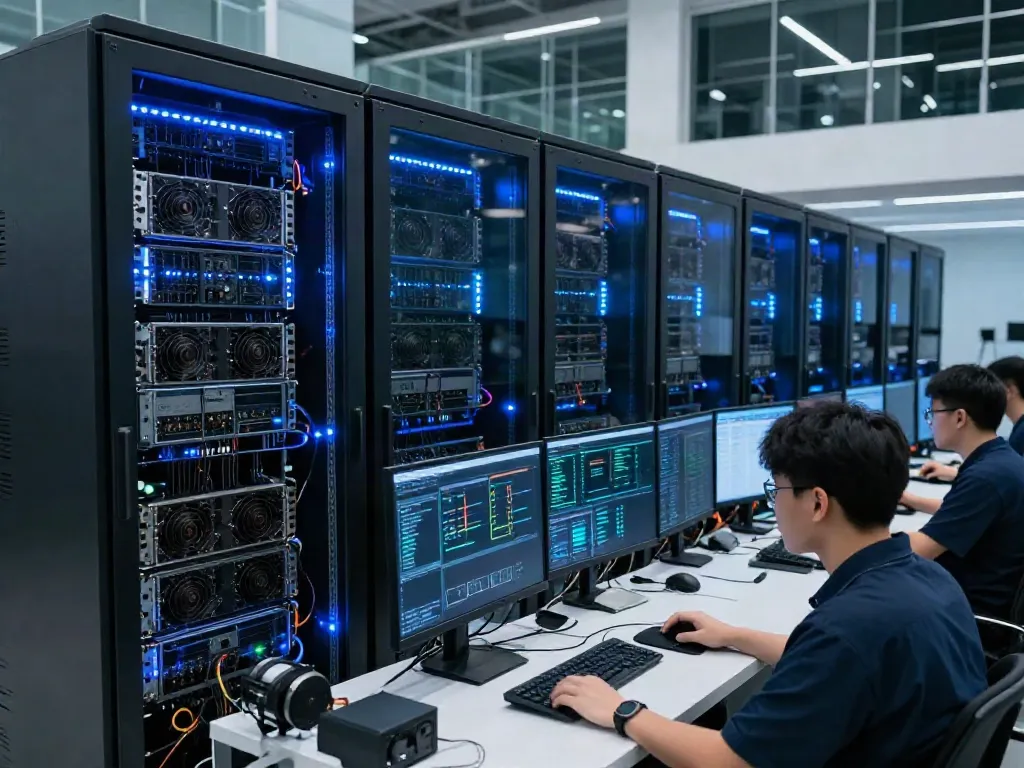
Understanding AI Data Centers
As the demand for artificial intelligence (AI) technologies continues to surge, so does the need for robust and efficient infrastructure to support these advancements. AI data centers play a pivotal role in housing the complex IT systems necessary for training, deploying, and delivering AI applications and services. With specialized requirements in terms of power, cooling, and architecture, AI data centers differ significantly from traditional data centers. They are designed to facilitate the high-density processing needs unique to AI workloads, ensuring rapid data processing and analysis while managing vast amounts of computational resources. When exploring options, AI data center provide comprehensive insights into the infrastructure that supports today's AI landscape.
What is an AI Data Center?
An AI data center is a facility optimized specifically for the demands of artificial intelligence workloads. Unlike conventional data centers, which cater to a broad range of applications, AI data centers are tailored to accommodate high-performance computing (HPC) systems, particularly those utilizing Graphics Processing Units (GPUs) to handle complex calculations. These facilities are equipped with advanced hardware, including high-capacity storage and high-speed networking, which are essential for the rapid processing of data required in AI applications.
Key Features of AI Data Centers
- Scalable Architecture: AI data centers are designed to scale as demands grow, allowing for the addition of new servers and storage without significant overhauls.
- High-Density Computing: They leverage GPUs and other specialized hardware to achieve high-performance computing capabilities.
- Enhanced Cooling Solutions: Advanced cooling technologies are employed to manage the heat generated by high-density systems.
- Robust Power Management: AI data centers have dedicated power supply systems to ensure reliable and efficient power consumption.
Difference Between Traditional and AI Data Centers
Traditional data centers are typically designed to handle a wide variety of general-purpose workloads, relying mainly on Central Processing Units (CPUs) for computational tasks. In contrast, AI data centers are specialized and optimized for machine learning and deep learning applications, which require intensive calculations and data processing. This specialization results in differing architectural designs, hardware configurations, and operational strategies. For example, AI data centers prioritize GPU resources for parallel processing, while traditional data centers might focus more on CPU-centric systems.
The Importance of Power in AI Operations
Power management is a crucial aspect of AI data centers, as the computational power required for AI tasks can lead to substantial energy demands. Efficient power use not only optimizes operational costs but also enhances the sustainability of AI operations. Given the growing focus on energy efficiency and carbon neutrality, understanding the importance of power in AI operations is essential for businesses leveraging AI technologies.
Why Power Matters in AI Data Centers
AI workloads, particularly those that involve deep learning and neural networks, require immense computational resources, which in turn consume significant amounts of electricity. The power efficiency of an AI data center directly impacts performance and operational costs. By optimizing power usage, organizations can reduce their carbon footprint and operational expenses while ensuring reliable performance of their AI applications, which is crucial for competitiveness in the ever-evolving technological landscape.
How Power Efficiency Impacts Performance
Power efficiency not only affects cost but also influences the overall performance of AI applications. Data centers that can deliver power reliably and efficiently can maintain higher computational loads without excessive overheating or energy wastage, ensuring that AI models run optimally. Strategies such as advanced cooling systems, efficient power distribution, and renewable energy sources are increasingly being implemented to address these challenges in AI data centers.
Global Trends in AI Data Center Power Supply
As AI technology continues to advance globally, trends surrounding the power supply for AI data centers are also evolving. Regions are investing in renewable energy sources to power these facilities, recognizing the importance of sustainability in the tech industry. Additionally, hybrid energy solutions, combining traditional and renewable sources, are emerging to ensure reliability and efficiency in power supply.
Choosing the Right AI Data Center
Choosing the right AI data center is pivotal for organizations aiming to deploy AI solutions effectively. Factors such as infrastructure reliability, power efficiency, scalability, and cost should all be considered to ensure that businesses meet their operational goals.
Assessing Your AI Needs
Before selecting an AI data center, it’s essential to assess the specific needs of your AI applications. Determine the computational power required, the expected workload, and the types of models that will be run. This assessment will help identify whether your organization needs a facility that specializes in high-density GPU computing or one that can support a broader range of workloads.
Evaluating Infrastructure Reliability
Infrastructure reliability is a critical factor in the performance of AI applications. Look for AI data centers that provide redundant systems, failover capabilities, and robust disaster recovery procedures. Ensuring that the facility can maintain uptime during power outages or hardware failures is crucial for operations relying on continuous AI processing.
Understanding Cost Structures and Contracts
When evaluating AI data centers, understanding the cost structure and contractual obligations is paramount. Organizations should be aware of the pricing models, typically based on power consumption, compute hours, and service level agreements (SLAs). Clear contracts that delineate responsibilities, performance metrics, and penalties for downtime are essential for a successful partnership.
Challenges of AI Data Centers
While the rise of AI data centers presents numerous opportunities, it also brings about several challenges that stakeholders must navigate. These include misconceptions surrounding AI data centers, environmental concerns, and the rapid pace of technological advancements.
Common Misconceptions About AI Data Centers
One major misconception is that AI data centers are solely focused on processing power, neglecting other critical aspects such as data management and security. In reality, effective AI data center operations require a holistic approach, integrating data storage solutions, security measures, and compliance with regulations.
Environmental Concerns and Sustainability
The energy-intensive nature of AI operations raises significant environmental concerns. Stakeholders must prioritize sustainability by adopting energy-efficient practices and considering the environmental impact of their operations. Investing in green technologies and optimizing resource usage can mitigate the ecological footprint of AI data centers.
Keeping Up with Rapid Technological Changes
AI technology evolves at a breakneck pace, which presents challenges for data centers in keeping up with the latest advancements. Continuous investment in upgrading hardware and software is necessary to stay relevant, while also ensuring foundational infrastructure remains robust and capable of supporting future needs.
The Future of AI Data Centers
The future of AI data centers is being shaped by emerging technologies and changing market demands. These shifts offer exciting opportunities for innovation and efficiency within the industry.
Emerging Technologies Shaping AI Infrastructure
Technologies such as edge computing, quantum computing, and advanced machine learning algorithms are anticipated to transform the landscape of AI data centers. These advancements can enhance processing capabilities while offering more efficient use of energy and resources.
Predictions for AI Data Center Development in 2026
By 2026, we expect to see a significant increase in hybrid AI data centers that combine public and private cloud resources, allowing for greater flexibility and scalability. Additionally, there will be a strong push towards adopting renewable energy sources, with many data centers aiming to achieve carbon neutrality.
Case Studies of Successful AI Data Center Implementations
Real-world examples highlight the diversity and success of AI data centers across various sectors. For instance, organizations in healthcare are using AI data centers to support advanced diagnostic tools, while financial institutions leverage these facilities for real-time analysis and fraud detection.
What Is the Impact of AI Data Centers on Local Communities?
The establishment of AI data centers can have both positive and negative impacts on local communities. On one hand, they contribute to job creation and economic development; on the other, they raise concerns regarding increased energy consumption and environmental degradation. It is essential for stakeholders to engage with local communities to address these concerns and promote beneficial outcomes.
What Are the Top AI Data Center Providers?
Numerous companies are leading the charge in AI data center provision, including industry giants such as Google, Amazon, and Microsoft, who are continually innovating to enhance their offerings. Evaluating performance and reliability among these providers can help organizations determine the best fit for their AI infrastructure needs.