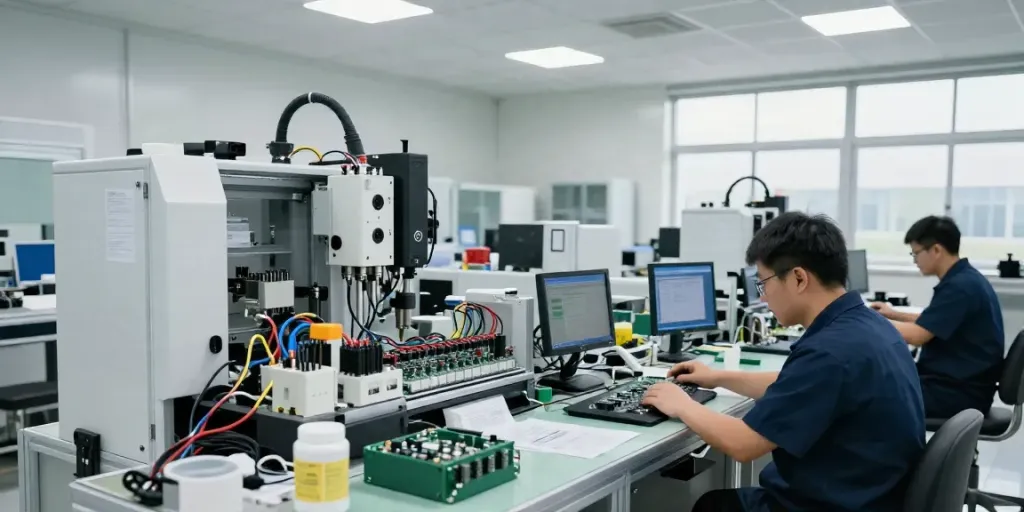
Understanding the Importance of OEM Electrical Components
In the rapidly evolving landscape of modern manufacturing, the role of OEM (Original Equipment Manufacturer) electrical components has become paramount. These components serve as the backbone of a multitude of industries, including automotive, consumer electronics, medical devices, and industrial automation. By ensuring consistency, quality, and reliability, OEM electrical components allow manufacturers to streamline their production processes while meeting the ever-increasing demands of end-users. When exploring options, OEM electrical component providers like LANZ Electronics offer comprehensive insights and solutions tailored to specific industry needs.
What Does OEM Mean in the Electronics Industry?
In the electronics domain, OEM refers to companies that design, manufacture, and sell electrical components or systems that other companies—often called the end users—integrate into their own products. This relationship is crucial because OEMs are responsible for ensuring that the components meet specific standards and specifications required for various applications. In essence, the OEM's role is to create components that will seamlessly fit into larger systems while maintaining high performance and compliance with safety regulations.
The Role of OEM Electrical Components in Modern Manufacturing
OEM electrical components encompass a wide range of products, including connectors, switches, relays, and power supplies. These products are intricately designed to support specific functions within complex systems, enhancing both functionality and efficiency. For instance, consider the role of IEC connectors in linking power to electrical equipment. Such components adhere to international standards set by the International Electrotechnical Commission, ensuring compatibility and safety in devices that operate with voltages up to 250 V AC and currents of up to 16 A.
With advancements in technology, OEM components are increasingly designed to integrate with innovative systems, including smart appliances and automated manufacturing lines. The implementation of these components allows for reduced assembly times and improved operational efficiency, further emphasizing the importance of selecting the right OEM supplier.
Key Advantages of Using OEM Components Over Aftermarket Options
While aftermarket components may offer lower initial prices, they often come with hidden costs associated with reliability and compatibility issues. Here are some key advantages of choosing OEM electrical components:
- Guaranteed Quality: OEM components are manufactured to stringent quality standards, ensuring durability and performance over time.
- Compatibility: Designed specifically for certain applications, OEM components fit seamlessly into existing systems without the need for modifications.
- Support and Warranty: OEM manufacturers typically provide robust customer support and warranty services, giving customers peace of mind.
- Enhanced Performance: As these components are developed with specific functionalities in mind, they tend to outperform generic alternatives in terms of efficiency and reliability.
Best Practices for Sourcing OEM Electrical Components
Identifying Reliable Suppliers for Quality Assurance
For businesses looking to source OEM electrical components, identifying a reliable supplier is crucial. A reputable supplier not only provides high-quality products but also ensures compliance with relevant industry standards. Conducting thorough research into potential suppliers’ certifications (such as UL, CE, and RoHS) can significantly aid in the decision-making process.
Additionally, assessing customer reviews and seeking referrals from other businesses within the industry can provide valuable insights into a supplier's reliability and service quality. Suppliers with a proven track record are more likely to meet your needs and provide ongoing support as your business evolves.
Evaluating OEM Suppliers: Key Criteria and Considerations
When evaluating potential OEM suppliers, consider the following criteria:
- Product Range: A diverse product catalog is essential to meet varied application requirements. Suppliers with an extensive inventory are often better equipped to cater to unique customer needs.
- Customization Capabilities: The ability to customize components is crucial for many businesses, especially those operating in specialized industries. Ensure the supplier can accommodate specific design and engineering requests.
- Lead Times and Delivery: Timeliness is paramount. Evaluate the supplier's lead times and delivery options to ensure they align with your product launch schedules.
- Technical Support: Assess the level of technical assistance a supplier offers; effective communication and support can significantly enhance your partnership.
Building Strategic Partnerships with OEM Manufacturers
Forming strategic partnerships with OEM manufacturers can provide several advantages, including better pricing, priority access to new products, and enhanced collaboration on R&D initiatives. To foster a successful partnership, it's essential to maintain open lines of communication. Regular meetings and updates can help ensure that both parties are aligned on expectations and project timelines.
Moreover, shared goals and mutual understanding of market dynamics can lead to innovative approaches that benefit both the OEM and its clients. Alliances built on trust and transparency often yield stronger, longer-lasting relationships.
Custom Solutions: Tailoring OEM Electrical Components for Specific Applications
Understanding Industry-Specific Requirements
Different industries have unique requirements when it comes to OEM electrical components. For example, medical devices demand components that meet strict safety and reliability standards, while automotive applications require robust solutions that can withstand harsh environments. Understanding these specific requirements is essential for manufacturers looking to succeed in their respective markets.
Furthermore, with the rise of industries such as electric vehicles and smart home technology, there is growing demand for specialized components that can handle advanced functionalities, such as wireless connectivity and energy efficiency.
Case Studies: Successful Custom OEM Implementations
Successful implementations of custom OEM electrical components can dramatically improve operational efficiencies and product performance. Consider an example from the medical devices sector, where a manufacturer partnered with an OEM to develop a custom relay socket. By integrating advanced safety features into their original design, the new product surpassed regulatory requirements, leading to enhanced patient safety and improved marketability.
Another case can be observed in the telecommunications sector, where a custom wire harness solution was developed to streamline installation processes for networking equipment. This solution not only reduced assembly time but also minimized the potential for errors during installation, showcasing the tangible benefits of customization.
Innovative Design Approaches for OEM Component Customization
Utilizing cutting-edge technologies such as 3D printing and advanced simulation tools can facilitate innovative design approaches for OEM component customization. By adopting these technologies, manufacturers can prototype and test designs more efficiently, significantly reducing product development cycles. Additionally, such approaches allow for rapid modifications based on market feedback, ensuring that the final product meets end-user expectations.
Engaging in collaborative design sessions with OEM partners can also yield creative solutions that align closely with market needs, providing a competitive edge in the increasingly globalized marketplace.
Challenges in the OEM Electrical Components Space
Common Misconceptions About OEM Component Quality
Despite their advantages, misconceptions regarding OEM component quality persist in the market. Some believe that OEM components are inherently more expensive without understanding their long-term value in terms of performance, reliability, and compliance. It is crucial for buyers to differentiate between legitimate OEM components and inferior alternatives. Focusing on factors such as certification and supplier reputation can help dispel these misconceptions.
Navigating Supply Chain Issues in Component Manufacturing
The global supply chain disruptions caused by recent events have highlighted the need for resilience in sourcing OEM electrical components. Manufacturers must be proactive in building flexible supply chains that can adapt to changes and maintain continuity. This may involve diversifying supplier bases and leveraging local sourcing options where feasible.
Additionally, implementing robust inventory management practices can help companies anticipate potential disruptions and maintain adequate stock levels to mitigate risks. Strategic planning around supply chain logistics can result in more effective risk management and operational stability during uncertain times.
Addressing Environmental Standards and Compliance
As environmental regulations become ever stricter, manufacturers must navigate the challenges of compliance with various standards, such as RoHS and REACH. Adapting to these requirements not only ensures legal compliance but also enhances corporate sustainability initiatives. Companies should prioritize sourcing components that are compliant with these standards to appeal to environmentally-conscious consumers and to avoid potential fines or penalties.
Incorporating materials that are recyclable or made from sustainable sources can further bolster a company's reputation as a responsible player in the industry.
Future Trends in OEM Electrical Components for 2026
Technological Advancements Impacting OEM Manufacturing
The future of OEM electrical components is being shaped by rapid technological advancements, particularly in smart manufacturing and IoT (Internet of Things) applications. As manufacturers increasingly embrace automation and connectivity, there is a growing demand for components that can communicate and interact with each other in real-time. This trend is propelling the development of smarter, more integrated OEM solutions that enhance both functionality and user experience.
The Rise of Smart Components in OEM Solutions
Smart components that incorporate sensors and connectivity features are becoming integral to OEM solutions. These components enable devices to collect and share data, leading to improved functionality, maintenance, and energy efficiency. For manufacturers, incorporating smart technologies into OEM components presents new opportunities for innovation and differentiation in the marketplace.
Predictions for the OEM Electrical Component Market by 2026
Industry experts predict that the OEM electrical component market will continue to grow as demand for advanced technologies increases across sectors. With the ongoing shift towards electrification and automation, the market for efficient and reliable electrical components will only expand. This will necessitate continuous innovation and adaptability from OEM suppliers to stay competitive.
What is the Future of OEM Electrical Components?
The future of OEM electrical components appears bright, driven by trends towards sustainability, smart technologies, and collaborative partnerships. Manufacturers that invest in advanced manufacturing techniques and innovative design processes will likely lead the charge in delivering cutting-edge solutions that meet evolving market needs.
How Can Companies Stay Ahead in the OEM Space?
To maintain a competitive edge in the OEM space, companies should focus on continuous improvement and innovation. This includes investing in research and development to explore new materials and technologies, forging strategic partnerships for shared knowledge, and embracing a customer-centric approach that prioritizes understanding the specific needs of end users. Adaptability and a commitment to quality will be key drivers of success in the ever-changing landscape of OEM electrical components.