Understanding the Role of a Water Treatment Equipment Manufacturer
In today's industrial landscape, clean and safe water is paramount. Organizations across diverse sectors, such as chemical, food, textile, and municipal, increasingly rely on effective water treatment solutions to meet regulatory standards and safeguard environmental health. As a crucial link in this chain, a Water Treatment Equipment Manufacturer plays a vital role in providing the necessary tools and systems for water purification and management. This comprehensive guide delves into the nature of these manufacturers, the importance of quality standards, and the technologies driving innovations in this field.
What is a Water Treatment Equipment Manufacturer?
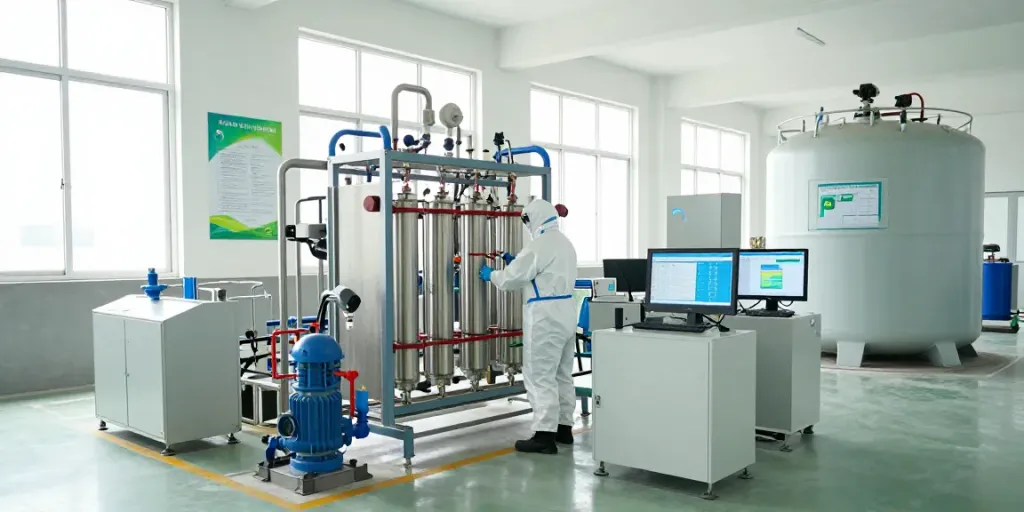
A Water Treatment Equipment Manufacturer specializes in producing various systems and devices designed for the treatment and purification of water. These manufacturers create custom modular systems, integrated chemical processes, containerized solutions, and more, tailored to meet the unique requirements of different industries. Their expertise lies in designing equipment that can efficiently handle various contaminants, optimize chemical usage, and ensure compliance with local and international water quality regulations.
The Importance of Quality Standards in Water Treatment
Quality standards are non-negotiable in the water treatment industry. Manufacturers must adhere to stringent guidelines set forth by regulatory bodies to ensure that their equipment meets both safety and performance benchmarks. Compliance with standards like ISO 9001 for quality management and ISO 14001 for environmental management is crucial for manufacturers aiming to build trust with clients and maintain a competitive edge. These standards also promote the efficient use of resources and minimize environmental impacts.
Key Technologies Driving the Industry Forward
The water treatment sector is propelled by continuous technological advancements that enhance efficiency and effectiveness. For instance, integrated chemical process systems utilize advanced sensor technologies and intelligent control algorithms. These systems not only ensure precise chemical dosing but also enhance the safety and reliability of water treatment operations. Furthermore, innovations like online water analyzers and modular systems contribute to real-time monitoring and adaptable solutions across various application scenarios.
Common Mistakes in Selecting Water Treatment Equipment
Choosing the right water treatment equipment can be a daunting task, especially for industries that are subject to strict compliance regulations and varying needs. Several common pitfalls can hinder the selection process, leading to inefficiencies and increased costs.
Overlooking System Compatibility Issues
One of the most significant mistakes companies make is ignoring compatibility between new equipment and existing systems. Water treatment technologies often vary greatly in design and function, and selecting equipment without ensuring it integrates well with current processes can lead to operational disruptions.
Ignoring Regulatory Compliance Requirements
Compliance with industry regulations cannot be overlooked. Failing to select equipment that meets local and national standards can result not only in fines but also in reputational damage. Companies must critically assess the regulations applicable to their specific industry to ensure that all equipment adheres to necessary guidelines.
Neglecting Maintenance and Longevity Considerations
Another common oversight is neglecting the long-term maintenance needs of water treatment systems. Equipment that is difficult to maintain or has a short lifespan can cause significant downtime and increased operational costs. Organizations must evaluate the maintenance requirements and durability of the equipment being considered.
Best Practices for Choosing the Right Equipment
To avoid potential pitfalls and ensure effective water treatment solutions, organizations should consider several best practices when selecting equipment.
Assessing Your Specific Industry Needs
Different industries have unique requirements based on their operational processes and regulatory environments. Companies should conduct thorough assessments of their water treatment needs and how these align with potential equipment capabilities. Tailored solutions often yield the best results in efficiency and compliance.
Evaluating Supplier Credentials and Reputation
Choosing a reputable supplier is paramount. Organizations should research potential manufacturers, looking for evidence of industry experience, certifications, and customer testimonials. A strong track record can indicate reliability and quality in the equipment provided.
Conducting Thorough Product Testing and Reviews
Before making a purchase, companies must demand detailed product testing results and client reviews. Understanding how equipment performs in real-world applications can help prevent costly errors in selection.
Real-World Applications of Advanced Water Treatment Systems
Advanced water treatment systems demonstrate their value across numerous sectors through case studies and successful implementations.
Case Studies: Successful Implementations in Different Industries
A notable example can be seen in the textile industry, where companies have implemented modular water treatment systems to manage dye wastewater. These systems have significantly reduced environmental impacts and ensured compliance with stringent discharge regulations.
Lessons Learned from Equipment Failures
Not every implementation goes smoothly. Failures can often reveal critical lessons about the importance of thorough testing and the necessity of proactive maintenance schedules. Such insights drive future innovations and improvements in equipment design.
Future Trends: Innovations on the Horizon
The future of water treatment equipment is poised for exciting advancements, with growing interests in automation, IoT-enabled monitoring systems, and sustainable practices. Companies that invest in these technologies will likely find competitive advantages as they adapt to evolving regulatory landscapes and consumer expectations.
Concluding Insights: Making Informed Decisions
In the evolving landscape of water treatment, informed decision-making is paramount for organizations aiming to optimize their operations and achieve environmental compliance.
Creating an Efficient Water Treatment Strategy
Developing an effective water treatment strategy involves aligning equipment choices with organizational goals, regulatory requirements, and best practices. Companies should strive for an integrated approach to ensure consistency and reliability in their water treatment efforts.
Importance of Continuous Learning and Adaptation
The water treatment industry is dynamic, with new technologies and regulations continually emerging. Staying informed and adaptable is crucial for companies that wish to maintain compliance, operational efficiency, and environmental stewardship.
Building Long-term Relationships with Suppliers
Finally, cultivating strong partnerships with reputable water treatment equipment manufacturers can provide ongoing support and insight. These relationships can lead to better equipment choices and innovative solutions tailored to meet specific industry requirements.