Understanding Mini Split AC Units
As energy efficiency becomes increasingly important to homeowners and businesses alike, the demand for effective cooling solutions has risen dramatically. One standout option in this category is the mini split ac unit, which offers a range of benefits over traditional HVAC systems. Designed to deliver targeted cooling and heating, mini splits are versatile solutions that meet diverse climate control needs. In this article, we will explore what mini split AC units are, how they function, and their advantages over conventional systems.
What is a Mini Split AC Unit?
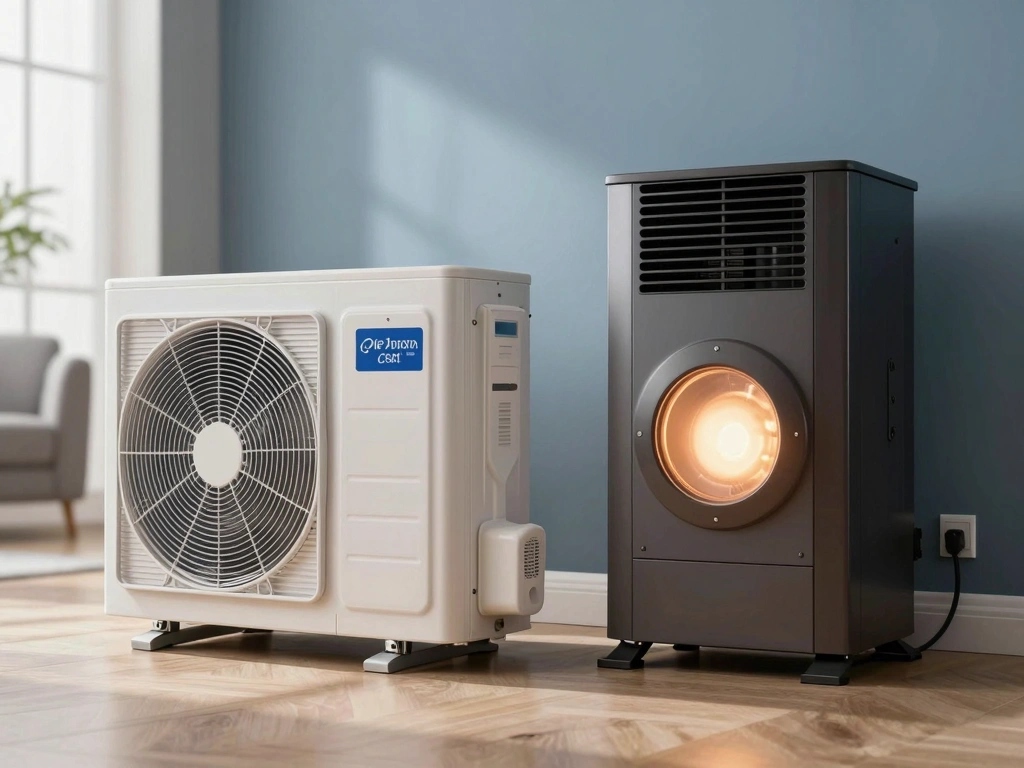
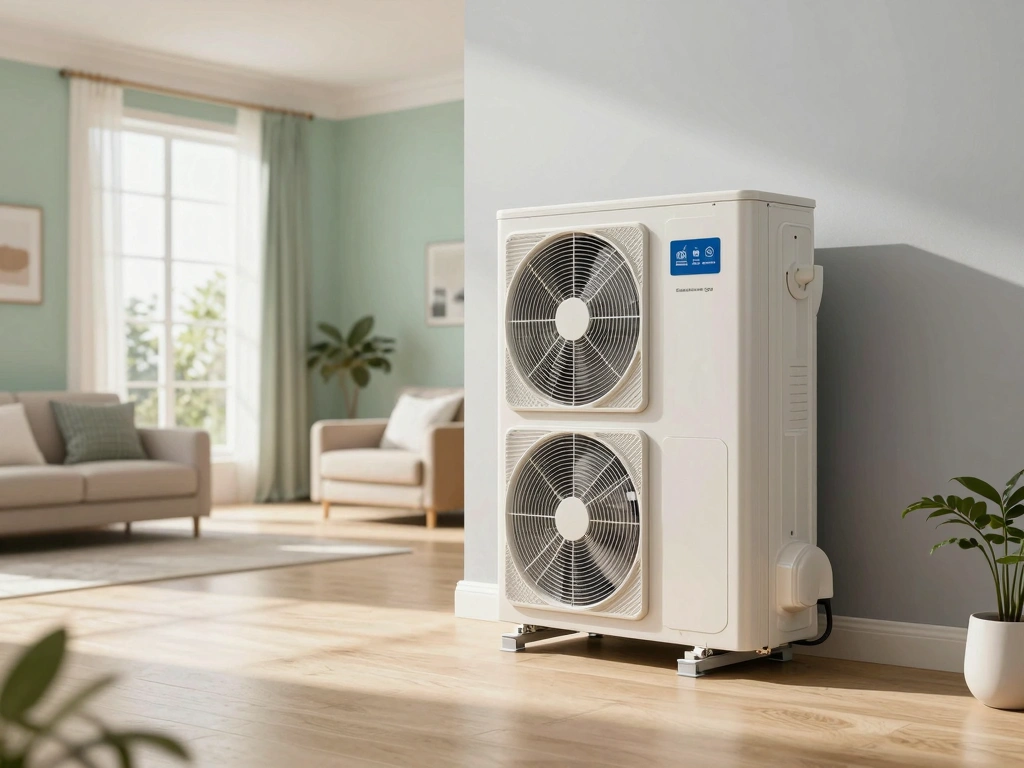
A mini split AC unit, also known as a ductless air conditioner, consists of two main components: an outdoor compressor and one or more indoor air-handling units. Unlike traditional air conditioning systems that rely on ducts to distribute air, mini splits provide a more efficient way to cool or heat individual rooms or zones within a building. This system is particularly beneficial for homes without existing ductwork or for spaces requiring specific temperature control.
How Do Mini Split Systems Work?
Mini split systems operate using a heat pump technology that transfers heat rather than generating it. The outdoor unit absorbs heat from the outside air and moves it to the indoor unit, where it is either released as cool air or, in heating mode, circulated as warm air. This process is facilitated by a refrigerant that flows through insulated copper lines connecting the indoor and outdoor units, allowing for seamless temperature regulation.
Mini Split vs. Traditional HVAC Systems
While traditional HVAC systems rely heavily on ductwork, mini split systems offer a significant advantage in terms of installation flexibility and energy efficiency. Multi-zone configurations allow homeowners to cool or heat specific areas independently, which can lead to substantial energy savings. Additionally, mini splits generally feature advanced inverter technology, which adjusts the compressor speed to maintain desired temperatures, rather than switching on and off like conventional systems.
Advantages of Mini Split AC Units
Energy Efficiency and Cost Savings
One of the primary advantages of mini split AC units is their energy efficiency. These systems often have high Seasonal Energy Efficiency Ratios (SEER), reducing electricity use compared to traditional air conditioning units. By allowing for zone cooling, they can prevent the energy waste associated with cooling unoccupied spaces. Homeowners can significantly lower their utility bills over time, making mini splits a cost-effective solution in the long run.
Zone Cooling Capabilities
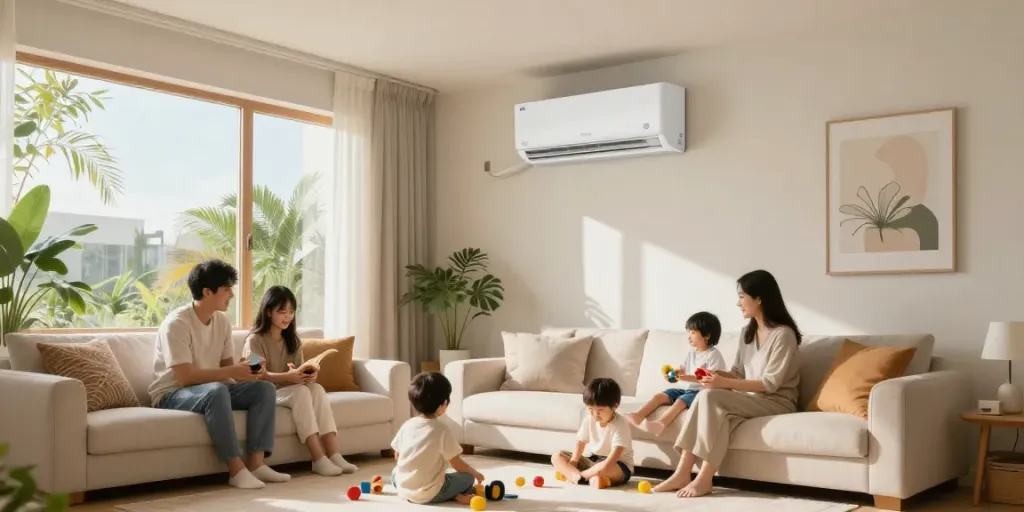
Mini splits allow for precise temperature control in individual rooms or zones, enabling customized comfort levels. This is particularly useful for families with members who have varying temperature preferences or for homes with open floor plans that experience uneven heating or cooling. Users can choose to heat or cool specific areas without affecting the entire house, providing an efficient use of energy.
Design and Aesthetics Benefits
Modern mini split systems are designed with aesthetics in mind. Indoor units are available in various styles and can be mounted on walls or kept flush with ceilings, blending seamlessly into a home’s decor. Unlike bulky window units or traditional HVAC vents, mini splits maintain a sleek appearance, enhancing the aesthetic appeal of spaces without compromising on comfort.
Common Misconceptions About Mini Split Systems
Upfront Costs vs. Long-term Savings
One common misconception is that mini split systems are too expensive to install compared to traditional HVAC systems. While the initial investment might be higher, the energy savings and reduced maintenance costs can lead to substantial long-term savings. Homeowners should consider the overall value rather than just the upfront cost when evaluating their cooling options.
Noise Levels and Installation Complexity
Another myth is that mini split systems are noisy. In reality, most modern units operate at comparable noise levels to a whisper, making them suitable for use in bedrooms or offices. Additionally, while installation can be perceived as complex, professional installation services ensure a seamless setup. DIY installation is also an option for those knowledgeable about HVAC systems.
Maintenance Requirements Explained
Maintenance for mini split systems is often simpler than that for traditional HVAC. Regular filter cleaning and annual professional servicing are usually sufficient to keep these units running efficiently. This makes mini splits a low-maintenance option for homeowners looking to simplify their HVAC upkeep.
Installation Considerations
Choosing the Right Location for Your Unit
Proper placement of mini split units is crucial for optimal performance. Indoor units should be installed in areas with good air circulation, avoiding corners or obstacle-rich spaces. Outdoor units require adequate clearance for airflow and should be placed away from direct sunlight or heavy wind.
What to Expect During Installation
Installation typically involves mounting the indoor unit, connecting the refrigerant lines, and installing the outdoor unit. Professionals will ensure that everything is securely installed and calibrated for peak efficiency. Most installations can be completed in a few hours, minimizing disruption to your home.
DIY vs. Professional Installation: What’s Best?
While some homeowners may attempt DIY installation to save costs, it is often advisable to hire a professional. HVAC experts have the necessary skills and tools to ensure proper installation, which can help avoid potential issues down the line. Proper installation is critical to maximizing the performance and lifespan of your mini split system.
Future Trends and Innovations in Mini Split Technology
Smart Technology Integration in Mini Splits
Smart technology is poised to revolutionize mini split systems, allowing for remote temperature control via smartphones, integration with home automation systems, and increased energy management capabilities. These innovations will make mini splits even more user-friendly and efficient, catering to the growing trend of smart home technology.
Sustainability and Green Refrigerants
As environmental concerns become more pressing, manufacturers are increasingly adopting sustainable practices in mini split production. This includes the use of eco-friendly refrigerants, which reduce greenhouse gas emissions. Homeowners looking to minimize their carbon footprint will find mini splits an appealing option, as they align with sustainable living goals.
Predictions for Mini Split Systems in 2026 and Beyond
The future of mini split technology looks promising. With continued advancements in energy-saving features, smart integrations, and eco-friendly innovations, these systems are expected to dominate the market. By 2026, consumers can anticipate even more efficient models that not only enhance comfort but also contribute to environmental sustainability.
What are the disadvantages of a mini split?
While mini splits offer numerous benefits, some drawbacks include higher initial costs and potential aesthetic concerns for certain homeowners. Additionally, while they are generally low maintenance, any issues with the system may require professional assistance, leading to potential downtime.
Are mini-split AC units worth it?
Yes, mini split AC units are often considered a worthwhile investment due to their energy efficiency, flexibility in temperature control, and low maintenance needs. Homeowners looking for an effective, long-term cooling solution will find mini splits to be an advantageous choice.
How much does it typically cost to install a mini split?
The installation cost of a mini split system varies based on factors such as the number of indoor units required and the complexity of the installation. On average, homeowners can expect to pay between $3,000 and $5,000 for a complete system installation. However, considering the energy savings over time, the investment often pays off.
Mini split AC unit installation tips?
When planning for installation, ensure that you choose the right size unit for your space. Improper sizing can lead to inefficient operation and higher energy bills. It's also essential to consider the layout of your home and the specific cooling needs of each zone.
What maintenance do mini split systems require?
Regular cleaning of air filters, checking for leaks, and scheduling annual professional maintenance are critical to keep mini split systems operating efficiently. Homeowners should be proactive in maintaining their units to prolong their lifespan and maximize effectiveness.